A Joyful Community Gathering Puzzle: Discover Hidden Objects in a Heartwarming Scene
There’s a certain magic that happens when generations come together in one room. Laughter overlaps, stories bounce around, and time seems to slow down just enough for everyone to feel seen. This illustrated scene captures that exact feeling—then adds a playful twist that turns a warm community moment into an engaging hidden-object puzzle.
At first glance, it looks like a lively community center filled with kids, adults, and seniors enjoying games, snacks, and conversation. But look closer. This image isn’t just about togetherness—it’s an invitation to explore, observe, and discover what’s cleverly tucked away in plain sight.
Let’s dive into why this image works so well and why hidden-object puzzles like this are powerful for both fun and learning.
A Community Center Full of Life and Connection
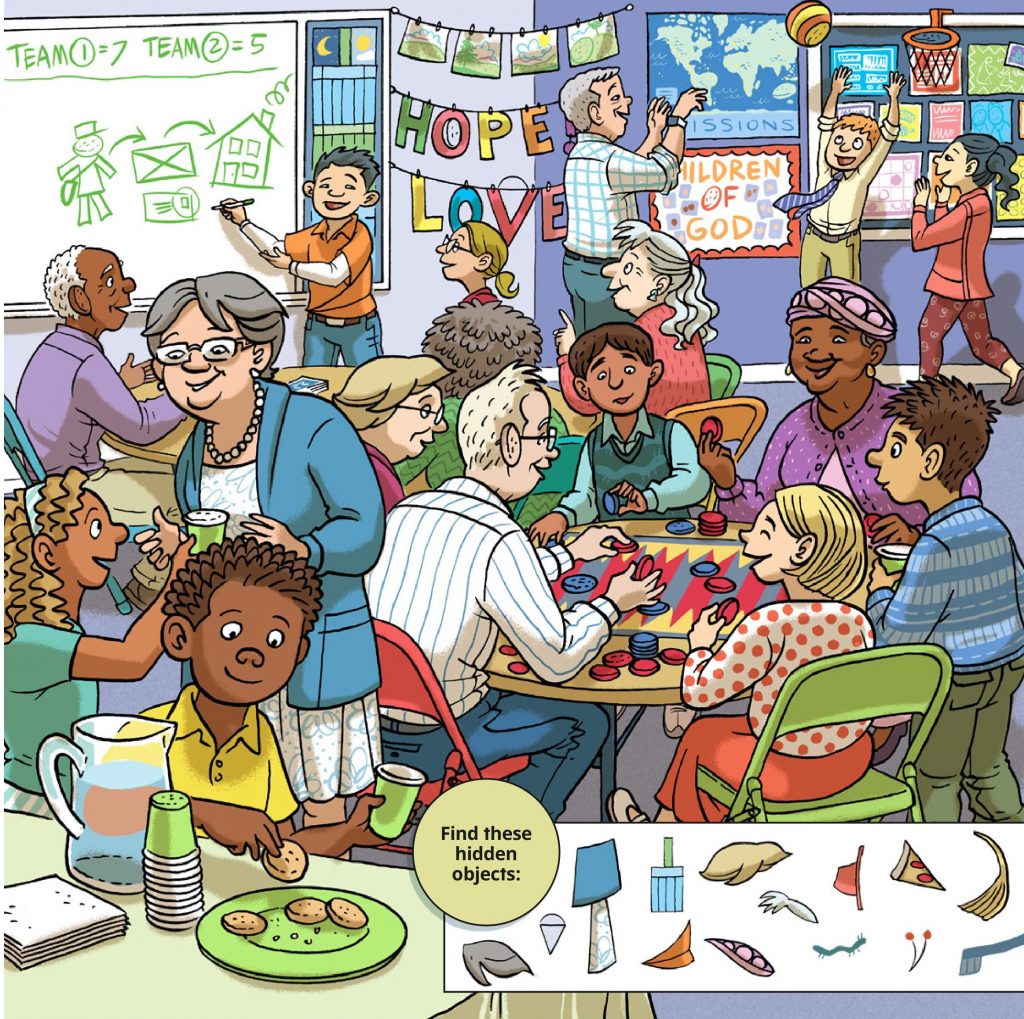
The illustration bursts with energy. Children and seniors gather around tables, stacking game pieces, laughing, and sharing moments that feel genuine and warm. In the background, adults cheer, teach, and celebrate small victories. Handwritten signs like “HOPE” and “LOVE” hang proudly, setting the emotional tone of the room.
This isn’t chaos—it’s harmony. Everyone has a role. Everyone belongs.
That sense of belonging makes the image instantly relatable and emotionally engaging, which is exactly what draws viewers in before they even realize there’s a puzzle waiting for them.
Hidden Objects That Reward Careful Observation
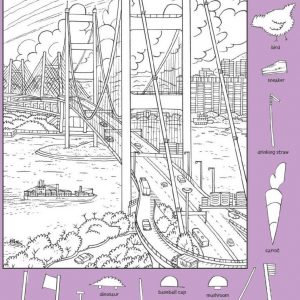
At the bottom of the image, a small prompt invites viewers to “Find these hidden objects.” Suddenly, the illustration shifts from a simple scene to an interactive challenge.
Shoes, flags, food items, and quirky shapes hide among clothing patterns, game pieces, decorations, and shadows. Some objects blend seamlessly into the environment. Others peek out just enough to tease the eye.
The challenge isn’t rushed. It rewards patience and attention, encouraging viewers to slow down and really look—something we don’t do enough of these days.
Why Hidden-Object Puzzles Are So Engaging
Hidden-object puzzles tap into something deeply satisfying in the human brain. They combine curiosity with achievement. You search, you focus, and when you finally spot the object—there’s that little spark of joy.
These puzzles help develop:
- Visual attention and detail awareness
- Pattern recognition
- Memory and recall
- Patience and persistence
And the best part? It doesn’t feel like learning. It feels like play.
Intergenerational Fun That Brings Everyone Together
What makes this image especially powerful is its intergenerational setting. Kids and seniors sit side by side, playing games and sharing space. That mirrors the experience of the puzzle itself—it’s not designed for just one age group.
Children enjoy the challenge of spotting shapes and colors. Adults appreciate the complexity and calm focus. Seniors benefit from gentle cognitive stimulation and visual engagement.
It’s rare to find activities that genuinely appeal across generations, but hidden-object puzzles like this one manage to do exactly that.
A Clever Use of Color, Movement, and Detail
The illustration uses color and motion masterfully. Bright clothing, patterned fabrics, and overlapping figures create visual richness without overwhelming the eye. Every corner of the image feels alive, yet intentional.
This complexity makes the hidden objects harder to spot—but in a good way. The challenge feels fair, not frustrating. It encourages repeated viewing, which increases engagement and enjoyment.
It’s like a visual treasure hunt where every scan reveals something new.
More Than a Puzzle: A Lesson in Community and Belonging
Beyond the game aspect, the image quietly communicates an important message. Community matters. Shared spaces matter. Play isn’t just for kids—it’s for everyone.
The hidden objects almost become symbolic. Just as you must look carefully to find them, you must also pay attention to notice moments of kindness, connection, and joy in real life.
The puzzle doesn’t just sharpen your eyes—it gently nudges your heart.
Perfect for Classrooms, Families, and Community Spaces
This type of illustrated puzzle works beautifully in many settings:
- Classrooms focused on observation and critical thinking
- Family game nights with mixed age groups
- Community centers and senior programs
- Quiet solo activities that reduce screen time
It encourages conversation, teamwork, and shared accomplishment. “Did you find the shoe yet?” quickly turns into laughter and collaboration.
Why These Puzzles Keep People Coming Back
There’s something timeless about searching for hidden things. It’s low-pressure, calming, and deeply satisfying. You don’t need instructions, timers, or competition. Just curiosity.
That’s why puzzles like this perform so well online and in print. They invite engagement without demanding it. Viewers stay longer, interact more, and often return for another look.
From a content perspective, that’s gold.

Conclusion: A Puzzle That Celebrates Togetherness and Curiosity
This illustrated community scene is more than a hidden-object puzzle. It’s a celebration of connection, observation, and shared joy. It reminds us that slowing down can be rewarding—and that fun doesn’t have an age limit.
As you search for the hidden objects, you might find something else too: a renewed appreciation for community, patience, and the simple pleasure of looking a little closer.
Sometimes, the best discoveries aren’t just what you find—but how you find them.