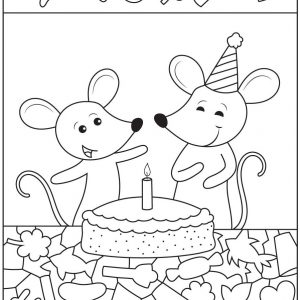
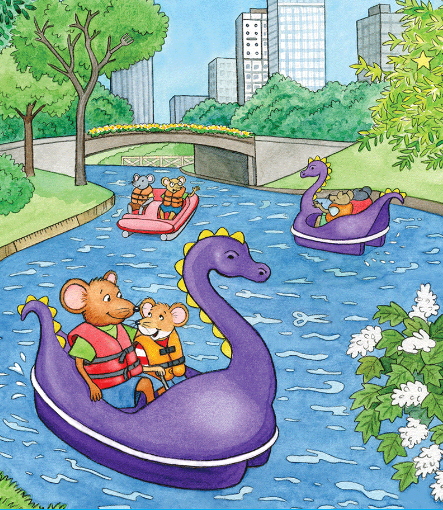
At first glance, this picture feels like a storybook moment come to life. A calm river winds through a green city park. Friendly mice float happily across the water in colorful dragon shaped boats. Trees lean gently over the riverbank, flowers bloom along the edge, and tall buildings rise quietly in the distance. Everything feels playful, peaceful, and safe. Then your eyes slow down. Details start to whisper. Shapes blend into ripples. Curves repeat themselves. And suddenly, what looked like a simple illustration becomes a hidden picture puzzle that asks you to look again.
This image is more than cute artwork. It is an invitation to focus, explore, and enjoy the quiet thrill of discovery.
Why animal story scenes work so well for hidden picture puzzles
Animal characters instantly create emotional connection. Mice wearing life jackets and smiling at each other feel friendly and approachable. You trust the scene right away. That trust matters.
When viewers feel safe and welcomed, they spend more time observing. They are not on guard. They are curious. Hidden picture puzzles thrive in that mental state.
The dragon boats add a layer of fantasy. They are not realistic, yet they feel logical inside this world. That balance between reality and imagination makes the scene rich with visual opportunity. Every curve of the boat, every ripple in the water, every leaf on the tree becomes a potential hiding place.
How calm environments encourage deeper focus
There is no chaos here. No rushing crowds. No loud action. The water moves slowly. The characters sit comfortably. The background city stays distant and soft.
This calmness invites your brain to slow down. When the brain slows, attention sharpens. You stop scanning and start studying.
Hidden picture puzzles placed in calm scenes often hold attention longer than busy ones. Viewers feel relaxed enough to commit time. They want to stay, not escape.
The visual rhythm that guides the eyes naturally
This image uses gentle visual flow. The river curves across the page. Boats move in a loose pattern. Trees frame the scene without crowding it.
Your eyes follow the water first. Then they drift to the boats. Then they wander to the riverbank and background. That looping path repeats again and again.
Each loop reveals something new. A detail you missed. A shape that suddenly looks familiar. This rhythm keeps engagement high without effort.
Why repeating shapes increase puzzle difficulty naturally
Dragon boats share similar curves. Leaves echo water ripples. Mouse ears mirror rounded reflections in the river.
Repetition confuses the brain in a subtle way. When shapes repeat, your eyes start to group them together. That grouping makes it harder to spot objects that hide in plain sight.
A hidden item does not need to be tiny. It just needs to belong. When it belongs visually, it disappears until you change how you look.
Why this puzzle appeals to both children and adults
Children see a story first. Mice on boats feel like a page from a bedtime book. Searching becomes play. Every discovery feels like a win.
Adults see structure and challenge. They appreciate how cleverly shapes blend and how patiently the puzzle demands attention.
Both groups meet in the middle. One brings imagination. The other brings strategy. That shared experience makes puzzles like this perfect for families, classrooms, and relaxed solo time.
How hidden picture puzzles support learning without pressure
This type of puzzle strengthens visual discrimination. It trains the brain to notice small differences between similar shapes. It builds patience and sustained attention.
The best part is that none of this feels like work. There are no instructions shouting at you. No timer counting down. No penalties for missing something.
Learning happens quietly, wrapped in enjoyment.
Why water scenes are ideal for hiding objects
Water is visually complex by nature. Ripples overlap. Reflections distort shapes. Movement suggests illusion.
This complexity gives puzzle designers endless hiding spots. An object can bend with the flow of the river. It can echo a wave or reflection. It can vanish into the texture.
In this image, the river does not just carry boats. It carries mystery.
Why gentle fantasy increases engagement
The dragon boats are playful and unexpected, but not overwhelming. They feel whimsical, not chaotic.
Fantasy elements like this spark curiosity. They make viewers more attentive because the world already feels special. If dragon boats exist here, what else might be hiding?
That mindset keeps people searching longer and enjoying the process more deeply.
Why hidden picture puzzles increase dwell time organically
You cannot rush this image. The moment you try, you miss things. So you slow down.
Viewers naturally spend more time on pages with hidden picture puzzles. They pause. They look. They return to areas they already scanned.
This organic engagement is powerful. It happens without tricks or manipulation. The content earns attention through design.
Why advertisers value content like this
This image creates a positive environment. It is family friendly. It is calm. It encourages focus rather than distraction.
Ads placed near content like this feel less intrusive because users are already settled. They are not rushing away. They are present.
That combination often leads to higher ad performance and stronger RPM without harming user experience.
Why illustrations outperform photos for puzzles
Illustrations allow control. Every line exists for a reason. Every shape can double as something else.
Photos contain random noise. Illustrations contain intentional detail. That intentionality makes hiding objects fair and satisfying.
In this image, nothing feels accidental. That makes every discovery feel earned.
The emotional comfort that builds trust
Smiling characters. Soft colors. Open space. These elements tell the viewer that this experience will be pleasant.
When users trust content, they return. They share it. They recommend it.
Hidden picture puzzles build loyalty because they consistently deliver a good feeling.
Why these puzzles remain timeless
Technology changes. Trends fade. Attention spans fluctuate. But the joy of searching never disappears.
Hidden picture puzzles tap into a basic human instinct. We love finding what others miss. We love solving quiet challenges.
Scenes like this river park with dragon boats and friendly mice could delight viewers today or decades from now. That timeless quality makes this content incredibly valuable.
Conclusion
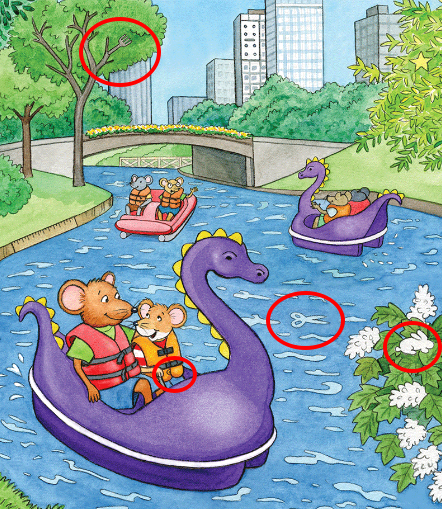
This hidden picture puzzle river park dragon boat scene proves that engagement does not need noise or speed. Through gentle storytelling, thoughtful illustration, and clever visual design, it invites viewers to slow down and truly look. Calm water, playful characters, and repeating shapes create a rewarding challenge that sharpens focus while sparking imagination. Each moment spent searching feels peaceful, each discovery feels satisfying, and the overall experience leaves viewers relaxed and fulfilled. That balance of joy and attention is why hidden picture puzzles like this continue to captivate hearts and minds across all ages.