Find It Hidden Objects Puzzle: A Heartwarming Family Scene That Sharpens Focus and Celebrates Connection
A Cozy Living Room Moment Filled With Love and Curiosity
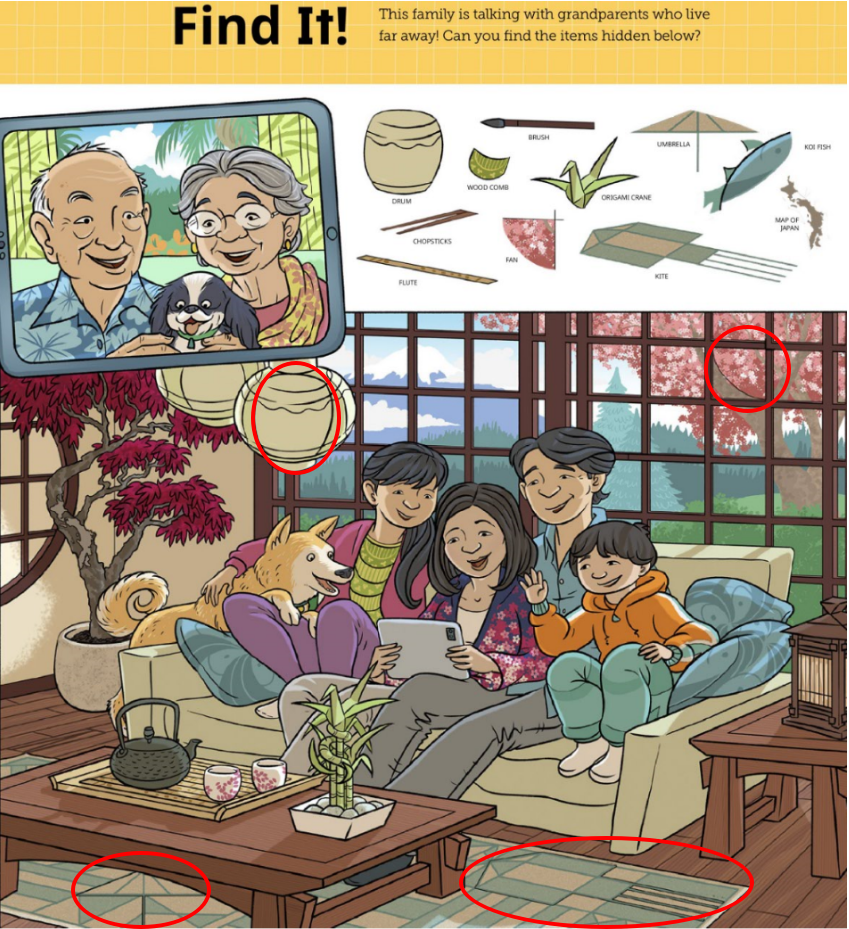
At first glance, this illustration feels comforting and familiar. A family sits together on a sofa, smiling and relaxed, sharing a video call with grandparents who live far away. The room glows with warmth. Soft cushions, wooden furniture, houseplants, and gentle light create a peaceful atmosphere that feels like home.
It looks like a simple family moment.
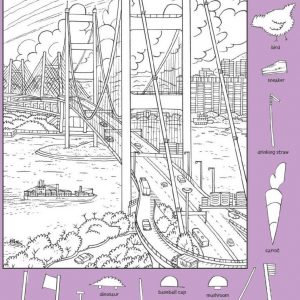
But look closer, and the scene reveals a playful challenge. This image is also a hidden objects puzzle. A list of items floats above the scene, quietly daring you to find them all. Suddenly, the cozy living room transforms into a visual adventure that invites careful observation and curiosity.

Why Hidden Object Puzzles Work So Well in Everyday Scenes
Hidden object puzzles feel more engaging when they reflect real life. Living rooms, family gatherings, and familiar objects instantly ground the viewer. You recognize the space, so you assume you understand it.
That assumption is exactly what the puzzle uses to its advantage.
Everyday scenes are filled with repeating shapes, textures, and patterns. Furniture lines echo other objects. Decorations blend into backgrounds. Familiarity makes it easier to overlook details, which turns a calm illustration into a surprisingly clever brain teaser.
A Family-Themed Puzzle That Feels Emotional and Playful
What makes this image special is its emotional layer. This is not just a puzzle. It is a story.
The family connects with grandparents through a screen, bridging distance with warmth and technology. That emotional connection keeps the viewer invested longer. You are not just searching for objects. You are exploring a moment filled with love, togetherness, and shared attention.
That emotional engagement makes the puzzle feel meaningful instead of mechanical.
How Hidden Object Puzzles Train Focus Without Stress
Unlike timed games or competitive challenges, hidden object puzzles invite calm attention. There is no pressure to finish quickly. You can explore at your own pace.
As you search for items like a fan, flute, kite, or origami crane, your brain practices:
- Visual scanning
- Attention to detail
- Pattern recognition
- Cognitive flexibility
You begin to notice shapes instead of objects. You focus on outlines, shadows, and negative space. It feels effortless because the challenge hides inside a warm, friendly scene.
Why Cultural Details Make the Puzzle More Interesting
This illustration includes subtle cultural elements that add depth to the experience. Items inspired by Japanese culture appear on the object list, such as chopsticks, a fan, a koi fish, and a map of Japan.
These details turn the puzzle into a gentle learning moment. Viewers engage not only with the visual challenge but also with cultural curiosity. The puzzle becomes richer, more layered, and more memorable.
It is learning wrapped in play.
The Power of Visual Storytelling in Puzzle Design
This image tells multiple stories at once. A family connects across distance. A room reflects warmth and tradition. A hidden challenge invites exploration.
That layered storytelling keeps attention locked in. The viewer does not just look for objects. They linger. They scan. They revisit areas of the image to catch details they missed.
Visual storytelling transforms the puzzle into an experience rather than a task.
Why Hidden Objects Blend So Well Into This Scene
The hidden items do not feel forced. They borrow shapes from the environment. A brush echoes wooden textures. A fan blends with patterns. A flute aligns with straight lines in the furniture.
This natural blending is what makes the puzzle fair but tricky. When you finally spot an item, it feels obvious in hindsight. That moment of realization is deeply satisfying and keeps you searching for the next discovery.
How This Puzzle Encourages Mindful Observation
In a world of fast scrolling and constant alerts, this type of puzzle encourages something rare: stillness.
You pause. You focus on one image. You let your eyes wander slowly. That mindful observation calms the mind while keeping it engaged.
It is like a visual meditation disguised as entertainment.
Why Family-Oriented Puzzles Appeal to All Ages
This puzzle works beautifully across generations. Children enjoy the playful challenge and familiar setting. Adults appreciate the calm pacing and emotional warmth. Older viewers enjoy the clarity and thoughtful design.
It becomes an activity that families can enjoy together. Parents and kids can search side by side. Conversations spark naturally as each person notices different details.
That shared experience adds value beyond the puzzle itself.
How Hidden Object Content Keeps Viewers Engaged Longer
Hidden object puzzles naturally increase time spent on content. Viewers do not glance and leave. They stay to complete the challenge.
That longer engagement creates a positive experience. People feel curious instead of overwhelmed. Relaxed instead of rushed. When content feels enjoyable rather than demanding, viewers are more likely to explore further.
It is a simple format with powerful impact.
Why This Illustration Feels Comforting and Safe
The warm color palette, soft lighting, and relaxed body language create a sense of emotional safety. That comfort lowers mental resistance and allows curiosity to take over.
When people feel safe, they observe better. They explore more freely. They enjoy the process rather than rushing toward the finish.
This emotional foundation makes the puzzle inviting instead of intimidating.
The Smart Balance Between Challenge and Joy
A great hidden object puzzle never frustrates. It challenges gently. This image strikes that balance perfectly.
Objects are hidden well enough to require focus but clearly enough to feel fair. The challenge feels playful, not punishing. Each discovery feels earned.
That balance is what makes people want to finish the puzzle and remember it afterward.
Why Find It Puzzles Feel So Rewarding
Hidden object puzzles tap into a deep human instinct. We love finding what others overlook.
Each time you spot a hidden item, your brain rewards you with a small burst of satisfaction. That feeling keeps you going. It sharpens focus and makes the challenge feel personal.
You are not just solving a puzzle. You are exploring a moment.
Conclusion: A Simple Family Scene With Hidden Depth
This Find It hidden objects puzzle turns a warm family moment into a thoughtful visual challenge. What begins as a cozy living room scene slowly reveals layers of detail that reward patience and careful observation.
By blending emotional storytelling, cultural elements, and cleverly hidden objects, the image encourages focus, curiosity, and calm attention. Every discovery feels meaningful. Every detail feels intentional.
Sometimes the most powerful puzzles are not about speed or difficulty. They are about slowing down, looking closer, and finding joy in the small details hiding right in front of you.