A Curious Bird’s Perch: A Hidden-Object Puzzle That Sparks Imagination and Focus
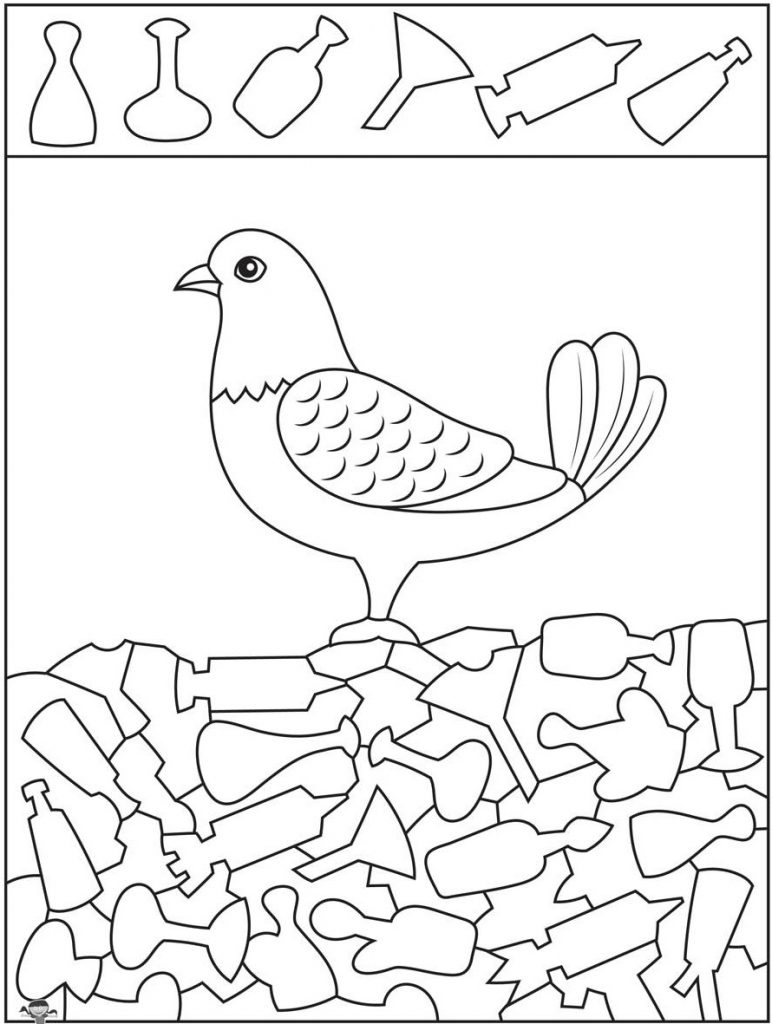
Hidden-object puzzles have a magical way of inviting us into a world where ordinary scenes contain unexpected surprises. In this illustration, a calm and confident bird stands proudly atop a pile of scattered shapes—objects that seem familiar yet puzzling enough to make you lean in closer. This simple, clean line drawing becomes a playground for observation, focus, and creativity. Whether you’re a fan of visual challenges or simply love exploring imaginative artwork, this scene offers a refreshing blend of charm and intrigue.
Let’s step into this delightful puzzle and uncover why images like this bird scene are so engaging, how they enhance cognitive skills, and where the hidden fun truly begins.
A Peaceful Bird in a Playful Scene
At first glance, the scene appears serene: a neatly drawn bird perched gracefully on what looks like a mound of miscellaneous objects. Its round eye, layered wing feathers, and gently flaring tail give it a personality all its own—calm, observant, and a little bit curious. Yet, beneath its feet lies a jumbled pile of shapes that instantly sparks questions. Are they toys? Tools? Random pieces waiting to be sorted?
The beauty of this picture is its contrast. The bird stands perfectly balanced, a symbol of nature and order, while the scattered objects beneath create a sense of chaos. This dynamic encourages your eyes to wander, inspect, and explore—noticing details that weren’t obvious at first glance.
Why Hidden-Object Scenes Are So Addictively Fun
It’s no secret that hidden-object puzzles captivate people of all ages. But what exactly makes them such a beloved pastime?
They Challenge Your Focus—In a Good Way
As you scan through the pile of objects, your brain automatically shifts into “search mode.” You begin to distinguish shapes, compare outlines, and look for features that stand out. This gentle mental workout improves your ability to concentrate and process visual information.
They Encourage Creative Thinking
The assorted shapes beneath the bird are intentionally ambiguous. Some pieces resemble bottles, others look like vases, chess pieces, or tools—but none are clearly defined. This open-ended design sparks imagination, allowing different viewers to interpret the shapes in their own unique ways.
They Create a Mindful Escape
Just like the calm expression on the bird’s face, hidden-object puzzles encourage calmness. You slow down, breathe, and take your time exploring the image. It’s like a mini vacation for your mind—quiet, focused, and surprisingly relaxing.
A Closer Look: What Could Be Hiding Among the Pieces?
The pile beneath the bird is where the real challenge lies. Dozens of shapes overlap, stack, and tangle together. Each one is drawn in thick, clean lines, making them easy to spot but not necessarily easy to identify. Here’s what makes this section so fun to explore:
Shapes That Look Familiar—But Aren’t Obvious Right Away
Some shapes resemble everyday objects:
- A bottle-like outline
- A handle-shaped figure
- Vase-like silhouettes
- Designs that resemble chess pawns, bells, or flasks
This ambiguity is intentional. It makes your brain work harder to distinguish each piece, improving visual problem-solving skills.
Overlapping Objects That Test Your Eyesight
Many pieces overlap or hide partially behind others. This layering encourages you to pay attention to small gaps, edges, and unusual curves—just like more advanced hidden-object puzzles.
Repetition That Tries to Trick You
Some shapes appear more than once, which forces you to stay alert. Just because you saw something once doesn’t mean you’re done with it.
How to Spot Hidden Details More Easily
Hidden-object enthusiasts love using small strategies to uncover objects faster. If you want to sharpen your observation skills, here are a few simple techniques:
Start With the Bird
It’s the clearest structure in the image. Begin at the bird’s feet, then slowly follow the outline of the pile. This top-down approach helps you stay organized and prevents you from jumping randomly around the picture.
Identify the “Odd One Out” Shapes
Some objects don’t match the rest—maybe they’re slightly larger, more angular, or shaped differently. Your eyes naturally gravitate toward contrast, so use that to your advantage.
Search by Edge, Not by Center
Hidden objects often reveal themselves through their outlines. Look at where shapes touch, overlap, or create unusual angles.
Scan in Sections
Break the pile visually into left, center, and right sections. Then examine each section slowly. This reduces overwhelm and boosts accuracy.
Why Kids and Adults Love Puzzles Like This
This bird scene might seem simple, but its benefits reach far beyond entertainment.
For Kids: A Fun Way to Build Essential Skills
- Pattern recognition: Kids learn to identify shapes and match outlines.
- Focus: Searching for objects strengthens attention span naturally.
- Creativity: The open-ended shapes encourage imaginative thinking.
- Fine motor skills: If the page is colored, tracing shapes helps with hand control.
For Adults: A Relaxing Yet Stimulating Brain Exercise
- Stress reduction: Focusing on small, simple tasks promotes relaxation.
- Mental clarity: It helps quiet the mind and improve problem-solving ability.
- Memory enhancement: Searching strengthens visual recall over time.
- Mindfulness: Observing the image slowly is almost meditative.
The Calm Beauty Behind the Bird
One of the most charming aspects of this illustration is the peaceful bird that anchors the entire scene. It’s as if the bird is observing the chaos beneath with gentle curiosity—reminding us that life often contains a mix of order and mess, calm and challenge. The bird becomes a symbol of perspective: even when things feel scattered, staying grounded helps us make sense of it all.
Conclusion: A Simple Scene That Offers a World of Discovery
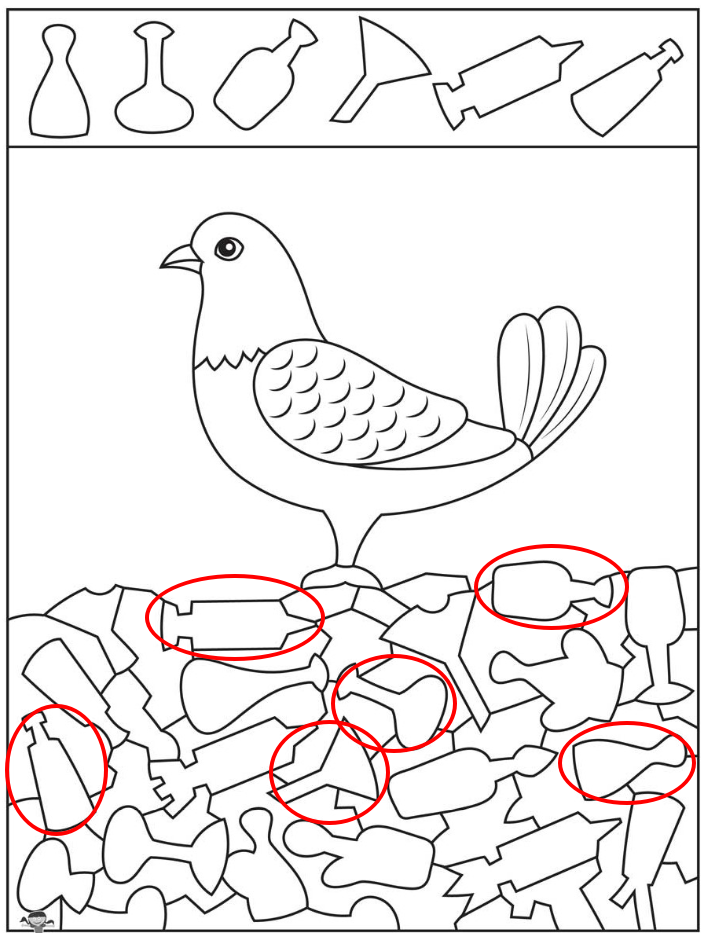
This hidden-object puzzle featuring a poised bird and a pile of mysterious shapes is more than just a drawing—it’s a quiet adventure waiting to unfold. Through its blend of simplicity and complexity, it invites you to slow down, look closely, and enjoy the thrill of discovery. Whether you’re exploring the image for a fun challenge or using it as a calming mental break, this puzzle offers a delightful escape into a world where imagination and focus come together beautifully.
So grab a moment, take a deep breath, and let your eyes explore every corner of the illustration. You never know what surprising shapes you might uncover next.