The Emperor’s New Clothes: A Timeless Lesson in Truth and Courage
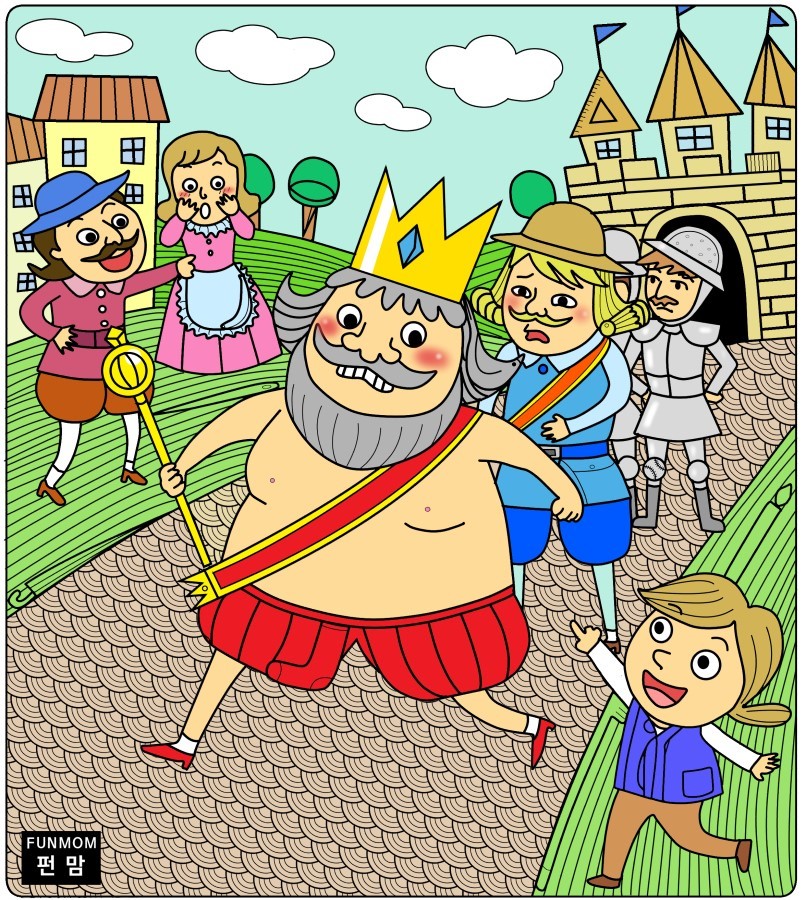
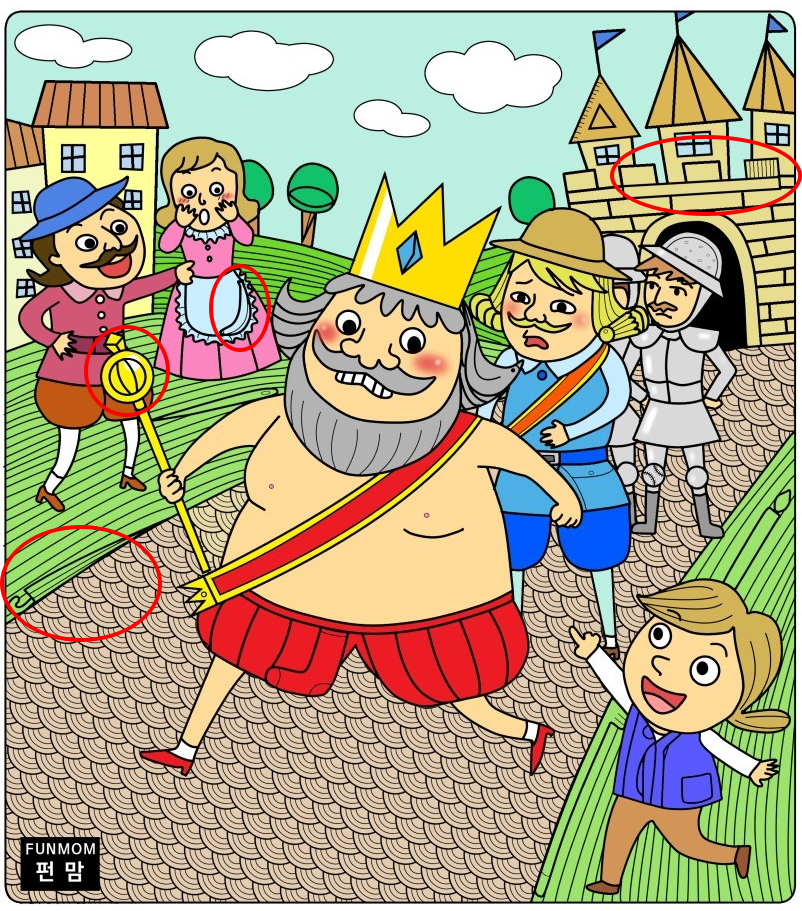
In the colorful image above, a cheerful king parades through his kingdom wearing nothing but his crown, shorts, and pride. Townspeople watch in disbelief while courtiers smile nervously, pretending everything is fine. It’s a scene straight from one of the most famous fairy tales ever told — The Emperor’s New Clothes by Hans Christian Andersen. Beyond the laughter, though, lies a timeless moral about honesty, pride, and the courage to speak the truth when no one else dares.
A Tale of Vanity and Deception
Once upon a time, there was a vain emperor who loved clothes more than anything. He spent his days admiring himself in the mirror, trying on new outfits, and showing off his extravagant wardrobe to his subjects. One day, two clever swindlers arrived at the palace claiming they could weave the finest fabric in the world — so fine, in fact, that it would be invisible to anyone who was stupid or unfit for their position.
The emperor, blinded by vanity, eagerly hired them. He thought, “What a wonderful way to find out who’s intelligent and who isn’t!” But of course, the weavers made no fabric at all. They only pretended, while secretly pocketing gold and silk meant for their “magical cloth.”
When the emperor and his advisors came to inspect the cloth, none of them saw anything. Yet, afraid of being called foolish, they all praised it. “Magnificent!” they said. “A masterpiece!” So the emperor decided to wear his new “clothes” for a royal parade.
The Parade of Pretenders
The image captures the iconic moment — the proud emperor strutting through town, convinced he’s wearing something grand, while everyone else pretends to admire his invisible attire. The townspeople whisper in shock but stay silent, not wanting to seem stupid or disloyal.
Only one voice dares to break the illusion — a child’s innocent cry: “But he’s not wearing any clothes!” That moment of truth shatters the collective pretense. The crowd bursts into laughter, and the emperor realizes the truth too late. Still, too proud to admit his mistake, he keeps walking, his head held high — a king humbled by his own ego.
The Moral: Honesty Over Conformity
This classic tale may be hundreds of years old, but its message feels as fresh as ever. It’s a sharp reflection on human nature — our fear of standing out, our tendency to go along with the crowd, and our struggle to admit when we’re wrong.
The emperor’s advisors, the townspeople, and even the emperor himself fell into the same trap — they valued appearances over truth. They were more concerned with looking wise than being wise. It took a child, unburdened by pride or politics, to speak what everyone already knew.
The story reminds us that honesty, though sometimes uncomfortable, is far more powerful than pretense. It’s a call to trust our instincts, question authority when necessary, and never be afraid to speak the truth — even when it’s unpopular.
The Psychology Behind the Fable
Why does this story resonate so deeply with people of all ages? Because it mirrors real life. We’ve all experienced moments where we stayed silent rather than challenge the majority. Psychologists call this groupthink — when people suppress their true opinions to maintain harmony or avoid embarrassment.
The emperor’s court is a perfect example. Nobody wanted to be the first to admit they saw nothing, so they all reinforced each other’s delusion. It’s a powerful commentary on how fear and pride can cloud collective judgment.
In today’s world of social media and public image, the same pattern repeats. People often “go along” with trends or opinions, afraid of being the odd one out. The tale of the emperor is a witty but wise reminder that truth doesn’t change — even if no one believes it at first.
The Courage of the Child
Among all the characters in the story, the child stands out as the hero — not because of strength or intelligence, but because of honesty. The child’s words cut through layers of deceit with simple clarity. There’s something powerful about innocence untainted by fear or self-interest.
In a way, the child represents our conscience — that small voice inside each of us that knows right from wrong but often gets silenced by doubt or pressure. The lesson? Courage isn’t always about grand gestures. Sometimes, it’s about speaking a simple truth when everyone else stays quiet.
A Lesson That Transcends Time
The story of The Emperor’s New Clothes has endured for centuries because its lesson never goes out of style. From politics to workplaces to everyday life, the fable continues to echo. It challenges leaders to value honesty over flattery, individuals to think critically, and societies to reward truth over appearances.
The image of the emperor — striding proudly in nothing but his delusions — is both comical and tragic. It’s a mirror held up to anyone who lets pride override reality. And it’s a warning against those who surround themselves with yes-men instead of truth-tellers.
The Humor and Irony of the Tale
Part of the story’s brilliance lies in its humor. The idea of a king walking around proudly in his underwear is undeniably funny, yet beneath the laughter lies sharp irony. The emperor believed he was wise and fashionable, but his vanity made him foolish. The “invisible” fabric became a metaphor for self-deception — something we’ve all been guilty of at one point or another.
The laughter of the crowd in the final moment isn’t cruel — it’s liberating. It represents the release that comes when truth finally breaks through illusion. Sometimes, all it takes is one honest voice to change everything.
From Fable to Modern Reflection
Today, The Emperor’s New Clothes still finds relevance in schools, workplaces, and even governments. It’s quoted in debates, referenced in media, and retold in new forms — from political cartoons to children’s books. Every generation sees its own “emperor,” a figure of authority blinded by ego, surrounded by those too afraid to tell the truth.
The story encourages us to be brave like the child — to speak up when something doesn’t feel right, to challenge empty displays of power, and to recognize that truth doesn’t depend on popularity.
Conclusion: The Wisdom of Simplicity
At its heart, The Emperor’s New Clothes is more than a fairy tale — it’s a mirror for humanity. It teaches that wisdom isn’t found in arrogance or wealth, but in humility and honesty. The emperor, stripped of his illusions, becomes a symbol of what happens when pride replaces truth.
So the next time you find yourself in a situation where everyone seems to agree, but something feels off, remember the child’s courage. Speak up. Tell the truth. Because sometimes, the bravest thing you can do is simply say, “The emperor has no clothes.”