The Ultimate Guide to Organizing Your Kids’ Playroom: Transform Chaos into Fun
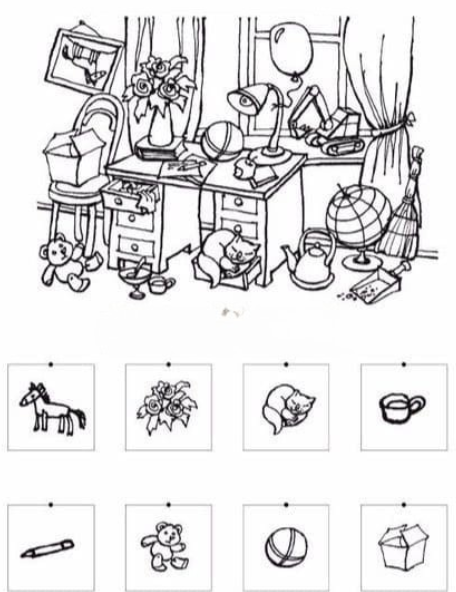
If you’ve ever stepped into a child’s playroom, you probably know how quickly it can turn into a whirlwind of toys, books, and random bits of creativity. The image above perfectly captures this joyful mess—a space filled with teddy bears, globes, toy cars, basketballs, and a curious cat poking around under the desk. But beyond the clutter lies an opportunity: to create an organized, inspiring playroom where kids can thrive, learn, and imagine.
In this article, we’ll explore practical tips and clever ideas to organize your kids’ playroom efficiently without stifling creativity. We’ll look at storage solutions, decluttering strategies, and how to design a playful yet functional space that grows with your child. Ready to turn that chaotic play zone into a haven of fun and order? Let’s dive in!
Why Organizing a Playroom Matters More Than You Think
A well-organized playroom is more than just tidiness—it supports a child’s development and emotional well-being. When toys and materials are easy to find, children feel empowered and less frustrated. They spend more time playing creatively and less time searching for that missing puzzle piece.
Organization also teaches kids valuable life skills: responsibility, decision-making, and respect for their belongings. Plus, it gives parents peace of mind and a safer environment for everyone.
Decluttering: The First Step to a Manageable Play Space
Before you start arranging, it’s essential to declutter. Go through the toys and materials with your child, deciding what to keep, donate, or recycle. This process isn’t just about reducing items—it’s about prioritizing quality over quantity.
Keeping too many toys can overwhelm kids and hinder creativity. Instead, select versatile toys that encourage imagination, such as building blocks, art supplies, and books.
Smart Storage Solutions That Kids Can Use
The key to lasting organization is accessible storage. Use low shelves, labeled bins, and clear containers so kids can easily find and put away toys independently. The image shows a mix of small and large items—a teddy bear, basketball, globe, and toy cars—that all need designated homes.
Multi-functional furniture, like desks with drawers and storage ottomans, maximizes space. Rotating toys stored away keeps the playroom fresh and exciting without overcrowding.
Creating Zones for Different Activities
Dividing the playroom into zones helps children focus and transition smoothly between activities. Consider areas for reading, arts and crafts, building, and active play.
A cozy reading nook with comfy cushions and bookshelves encourages quiet time. A desk with art supplies inspires creativity, while open floor space accommodates larger games or movement.
Encouraging Clean-Up with Fun and Routine
Getting kids involved in tidying up makes organization sustainable. Turn clean-up time into a game with timers, songs, or challenges. Praise their efforts to build positive habits.
Establish simple routines, like putting away toys before snack time, so organization becomes part of daily life, not a chore.
Personalizing the Space to Spark Imagination
A playroom should reflect your child’s personality and interests. Decorate with their artwork, favorite colors, and themed accessories to make it inviting.
Personal touches increase a sense of ownership and pride, encouraging kids to take care of their space. The playful cat under the desk reminds us that pets, too, add warmth and life to the room.
How Organized Playrooms Benefit Parents and Kids Alike
Parents gain a clutter-free home and easier supervision, reducing stress and time spent hunting for lost items. Kids enjoy a safe, inspiring environment that fosters independence, learning, and joy.
Together, these benefits create harmony in the household and support a child’s overall growth.
Conclusion: Transform Chaos into Creativity with a Thoughtful Playroom
This lively playroom scene perfectly illustrates the mix of energy, creativity, and chaos that defines childhood. But with intentional organization, that chaos can transform into a space where imagination runs wild within an orderly framework.
By decluttering, creating accessible storage, designing activity zones, and involving your child in clean-up, you build a foundation for lifelong skills and happy memories. So, embrace the challenge—your dream playroom is just a few thoughtful steps away from becoming a reality!