The Wonders of the Ocean: Exploring Marine Life Through Vibrant Imagery
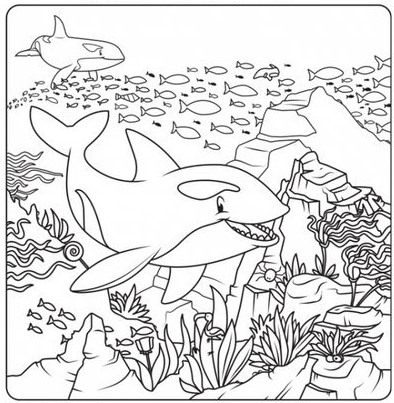
The ocean is one of Earth’s most captivating and mysterious environments, teeming with diverse life forms and hidden wonders. As the world’s largest ecosystem, the ocean is home to creatures both large and small, including the awe-inspiring orca, the playful dolphin, and the intricate coral reefs that sustain countless species. The image before us—a vibrant depiction of ocean life, featuring an orca surrounded by schools of fish and underwater landscapes—captures the beauty and complexity of marine ecosystems.
The Majestic Orca: King of the Ocean
At the heart of the image, we find the orca, also known as the killer whale. Orcas are one of the most iconic and powerful marine mammals, known for their intelligence, social structures, and hunting prowess. These apex predators rule the ocean with grace and strength, forming tight-knit pods that work together to hunt and navigate the vast seas.
Understanding the Social Structure of Orcas
Orcas live in complex social groups called pods, which are typically led by the oldest female. These pods can consist of anywhere from a few individuals to over 40 members. The family bond within a pod is incredibly strong, with orcas relying on each other for hunting, protection, and communication. This social structure is not just fascinating but also critical for their survival in the harsh marine environment.
The Importance of the Ocean Ecosystem
The ocean is often referred to as the “lifeblood of the planet.” It covers more than 70% of Earth’s surface and plays a vital role in regulating the climate, producing oxygen, and providing food and shelter for a vast array of species. In the image, the orca’s interaction with other creatures—such as fish, corals, and plants—illustrates the interconnectedness of marine ecosystems.
Coral Reefs: The Ocean’s Rainforests
One of the most important features of the ocean ecosystem is the coral reef. Coral reefs are often called the “rainforests of the sea” because of their incredible biodiversity. They provide shelter for thousands of species, from tiny shrimp to large predators like the orca. These underwater structures are built over thousands of years by tiny coral polyps, which secrete calcium carbonate to form the intricate, colorful reefs that support marine life.
In the image, the reefs surrounding the orca serve as a reminder of the delicate balance in the ocean. Just as forests are vital to terrestrial ecosystems, coral reefs are crucial to marine biodiversity. However, they are increasingly threatened by climate change, pollution, and overfishing, making their conservation a global priority.
Marine Life: A Symphony of Diversity
As seen in the image, the ocean is home to an astounding variety of species, each playing a unique role in the food chain. From the tiniest plankton to the largest whales, marine life contributes to the health and stability of ocean ecosystems. Fish schools, in particular, serve as both prey for larger predators like orcas and as key players in maintaining the ocean’s ecological balance.
The Role of Small Fish in Ocean Ecosystems
Small fish, such as sardines, anchovies, and herring, may seem insignificant compared to larger marine life, but they are vital to the health of the ecosystem. These fish are a primary food source for many species, including the orca, and they help maintain the food web by grazing on plankton. In turn, they are preyed upon by larger fish, seabirds, and marine mammals, creating a continuous cycle of life.
The Threats Facing Marine Life
Despite its immense beauty and importance, the ocean is facing numerous threats. Pollution, overfishing, habitat destruction, and climate change are putting immense pressure on marine life. The orca, once abundant in many parts of the world, is now endangered in some regions due to the degradation of its habitat and the depletion of its food sources.
The Impact of Climate Change on Marine Ecosystems
Climate change is one of the most significant challenges to the ocean. Rising sea temperatures, ocean acidification, and melting ice caps are affecting marine species, disrupting their natural habitats, and altering migration patterns. For instance, the warming waters are causing coral bleaching, where corals expel the algae that give them color and sustain them with nutrients, ultimately leading to their death.
These changes not only threaten the survival of coral reefs but also affect the species that depend on them, including the orca and other marine mammals. It’s a vicious cycle: as ocean temperatures rise and habitats degrade, the species that rely on the ocean’s delicate balance are forced to adapt or perish.
Efforts to Protect Marine Life
Fortunately, there are numerous initiatives and organizations dedicated to protecting the ocean and its inhabitants. Conservation efforts range from local beach cleanups to global policies aimed at reducing carbon emissions and protecting marine habitats. Many marine parks and reserves have been established to safeguard critical habitats, and various international treaties work toward reducing overfishing and protecting endangered species like the orca.
The Role of Sustainable Practices in Ocean Conservation
One of the most important actions we can take to protect marine life is adopting sustainable practices. This includes reducing plastic waste, supporting sustainable seafood industries, and conserving energy to mitigate climate change. By making conscious choices in our daily lives, we can reduce our impact on the ocean and contribute to the protection of marine ecosystems.
The Beauty and Fragility of Ocean Life
As we observe the captivating image of the orca and its surrounding environment, it’s clear that the ocean is a place of wonder. Yet, it is also a place in need of our protection. The richness of marine life, from the orca to the smallest fish, is a testament to the ocean’s vitality. However, as the image reminds us, the beauty of the ocean is fragile, and it is our responsibility to safeguard it for future generations.
The Importance of Education and Awareness
Raising awareness about the threats facing the ocean is crucial for ensuring its protection. Through education, we can inspire people to take action, whether it’s by supporting marine conservation efforts, reducing their carbon footprint, or advocating for stronger environmental policies. By coming together, we can make a positive impact on the health of our oceans.
Conclusion: A Call to Action for Ocean Conservation
In conclusion, the image of the orca and the bustling marine life around it reminds us of the importance of the ocean to our planet. The diversity of life found in the ocean is essential not only for the health of marine ecosystems but also for the overall well-being of Earth. As we face increasing environmental challenges, it is up to all of us to protect and preserve the ocean’s wonders.
By supporting conservation efforts, reducing pollution, and advocating for sustainable practices, we can ensure that future generations will have the opportunity to witness the beauty and complexity of the ocean and its incredible creatures, like the orca. The ocean’s fate is in our hands—let’s work together to protect it for years to come.